
The psychology of the impulse buy: how spur-of-the-moment purchases really happen
Part of our series on growing your brand without a giant budget.
We have all done it. You pop to the shop for milk and come home with a bar of chocolate, a magazine and a scented candle you did not know you needed. That is the impulse buy, the unplanned, spur-of-the-moment purchase, and understanding how it works is genuinely useful for any brand hoping to be the thing that ends up in the basket.
So let us take a friendly look under the bonnet. How is an impulse purchase actually made, what propels someone to reach out and grab it, and what does it all mean for how you build your brand?
What is actually happening in the shopper’s head
An impulse buy is, by definition, not planned. It is driven far more by feeling than by careful thought. When we spot something desirable, the brain releases a little hit of dopamine, the chemical of anticipation and reward. That flicker of “ooh, yes” arrives before the rational part of our brain has weighed up whether we really need it. Emotion moves first, and justification, if it comes at all, comes afterwards.
Interestingly, research suggests it is positive emotion that does most of the work here. We tend to reach for a treat when we are feeling good, celebratory or a little indulgent, more than when we are feeling low. A good mood lowers our resistance and makes the little “why not” feel entirely reasonable.
Marketers and academics often describe this using a simple model with an intimidating name, the Stimulus, Organism, Response model. In plain English it just means: something catches your attention (the stimulus), it stirs a feeling inside you (the organism, which is really just you and your mood), and that feeling produces an action (the response, which is popping it in the basket). Everything a brand does to encourage impulse is really about that first step, becoming the thing that catches the eye and sparks the feeling.
What propels someone to actually act
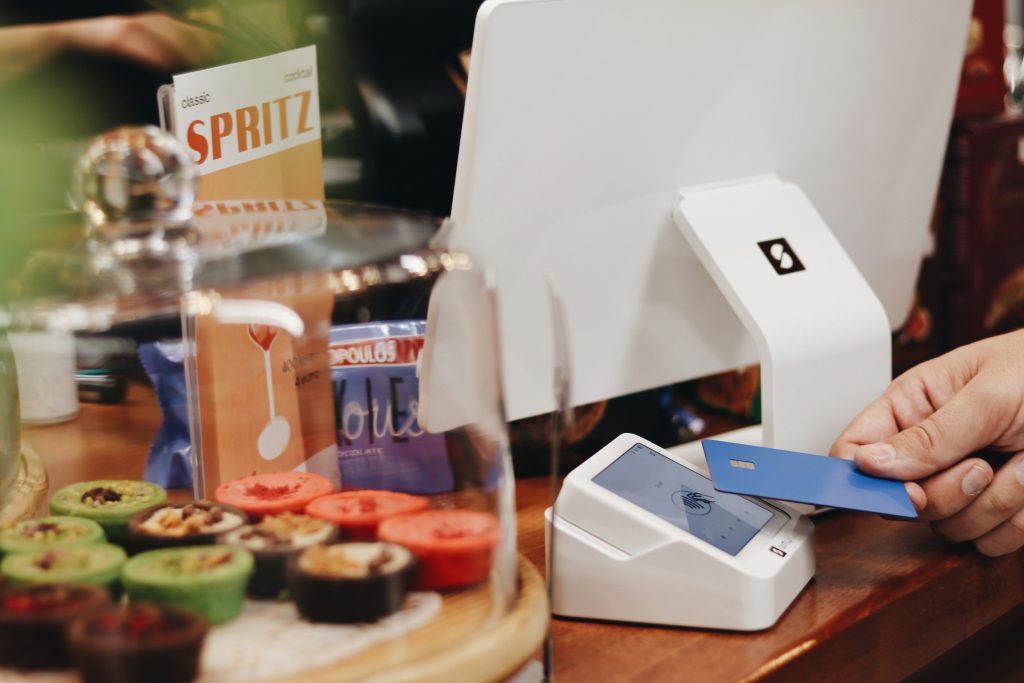
What propels someone to actually act
Plenty of things tip a passing glance into a purchase. They fall into two broad groups.
Inside the shopper, there are personal factors: how impulsive they are by nature, the mood they are in, how much self-control they have to spare in that moment, and whether a little treat feels deserved.
Around the shopper, there are the external triggers a brand or retailer can influence:
- Prominent placement, such as eye-level shelves, aisle ends and the checkout queue, where a product is impossible to miss at the exact moment attention wanders.
- A sense of urgency or scarcity, like “while stocks last” or a limited edition, which nudges us to act now rather than think it over.
- Social proof, the reassurance that other people are buying it and enjoying it.
- A tempting offer, since a visible discount is one of the most reliable impulse triggers of all.
- Low friction, meaning the easier it is to buy, the less time there is for second thoughts. Online, one-tap checkout and saved card details are the digital equivalent of the sweets by the till.
The common thread is this: impulse thrives on ease, emotion and the right prompt at the right instant.
In-store and online: the same instinct, different stage set
The impulse instinct is the same everywhere, but the setting shapes how it plays out. In physical shops, the classic and much-cited estimate is that a large share of purchases, often put at around 62%, involve some degree of impulse. The store environment does a lot of the persuading, which is why displays, queue layouts and packaging matter so much.
Online, the accelerants are frictionless design, urgency messaging, personalised recommendations and, above all, the speed of mobile checkout. A discount flashed at the right moment, combined with a card already on file, removes almost every pause between wanting and buying.
A quick word of caution on numbers. You will find plenty of eye-popping “impulse buying statistics” floating around online, and many of them are unreliable or inconsistent between sources. The safe approach is to treat the underlying human behaviour as the solid ground, and any single headline figure with healthy scepticism.
A very British plot twist: the HFSS rules
Here is a development that shows just how powerful placement is, and it is specific to the UK. In October 2022, the Food (Promotion and Placement) Regulations came into force in England, restricting where products high in fat, sugar or salt can be displayed in larger stores. That means no more chocolate and crisps at the checkout, the store entrance or the ends of aisles, the prime impulse real estate.
The effect was striking. Studies found that removing those products from checkouts led to a meaningful drop in their purchase, with one analysis reporting a reduction of around 15.5% in purchases of the affected items and a large self-reported fall in snacking on things bought at the till. Kantar data cited in the trade press suggested these products lost their impulse sales while keeping their planned ones, in other words, people still bought them deliberately, they just stopped grabbing them on a whim.
The lesson for brands is profound. When you take away the physical prompt at the shelf, a lot of the impulse simply evaporates. Which raises an obvious and important question: if you can no longer rely on grabbing attention at the very last second, how do you still get chosen?
What this means for your brand
The answer ties this whole series together. When the last-second prompt is weaker, or the shelf is more crowded, or the shopper is buying online in a blur of taps, the brands that still get picked on impulse are the ones that already feel familiar and trusted. The dopamine flicker of “ooh, yes” is far more likely to land on a brand you already recognise and feel good about.
In other words, impulse is not purely a moment-of-purchase game. It is powerfully shaped by the preference and trust you have built beforehand. A shopper primed to like you long before they reached the aisle is the one who reaches for you without thinking. Familiarity built earlier is what turns a fleeting glance into a purchase.
Where Hurst Media Agency comes in
Building that familiarity and warmth ahead of the shopping moment is exactly what we help brands do, and to a sensible budget. The aim is to make your brand a friendly, recognisable name well before someone is standing at the shelf or scrolling on their phone, so that when the impulse strikes, it lands on you.
As independent, channel-neutral media planners and buyers, Hurst Media Agency have access across the full UK mix, from national press and digital to radio, out of home near the stores that stock you, and television. Our job is to build your brand’s presence in the moments and places your customers care about, so you are the familiar choice when a decision is made in a heartbeat. And because we buy media every day, we make a modest budget work harder to build exactly that kind of recognition.
You cannot control every impulse. But you can make sure that when one strikes, yours is the brand that feels like the obvious, happy choice.
Ready to become the impulse choice?
If you want to be the brand shoppers reach for without a second thought, the groundwork starts long before the till. Book a free, no-obligation consultation with Hurst Media Agency, and let us help you build the familiarity and trust that win the moment.
Sources and further reading:
- “Factors Affecting Impulse Buying Behavior of Consumers”, Frontiers in Psychology.
- “Understanding the Psychology of Impulse Buying in E-Commerce: A Behavioral Review”, Journal of Marketing & Social Research.
- “HFSS placement legislation: assessing the impact”, Campden BRI
- Government impact assessment, restricting checkout, end-of-aisle and store entrance sales of HFSS products
- “What psychology knows about impulse buying”, New Neuromarketing.